Ana Mendes
2024.11
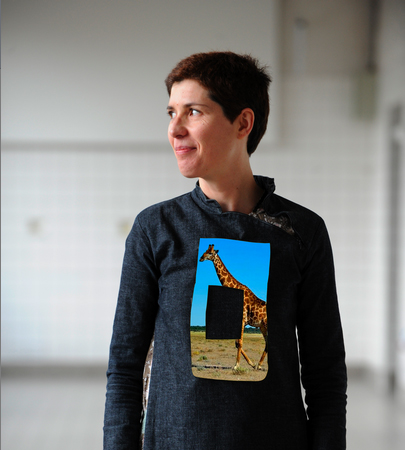
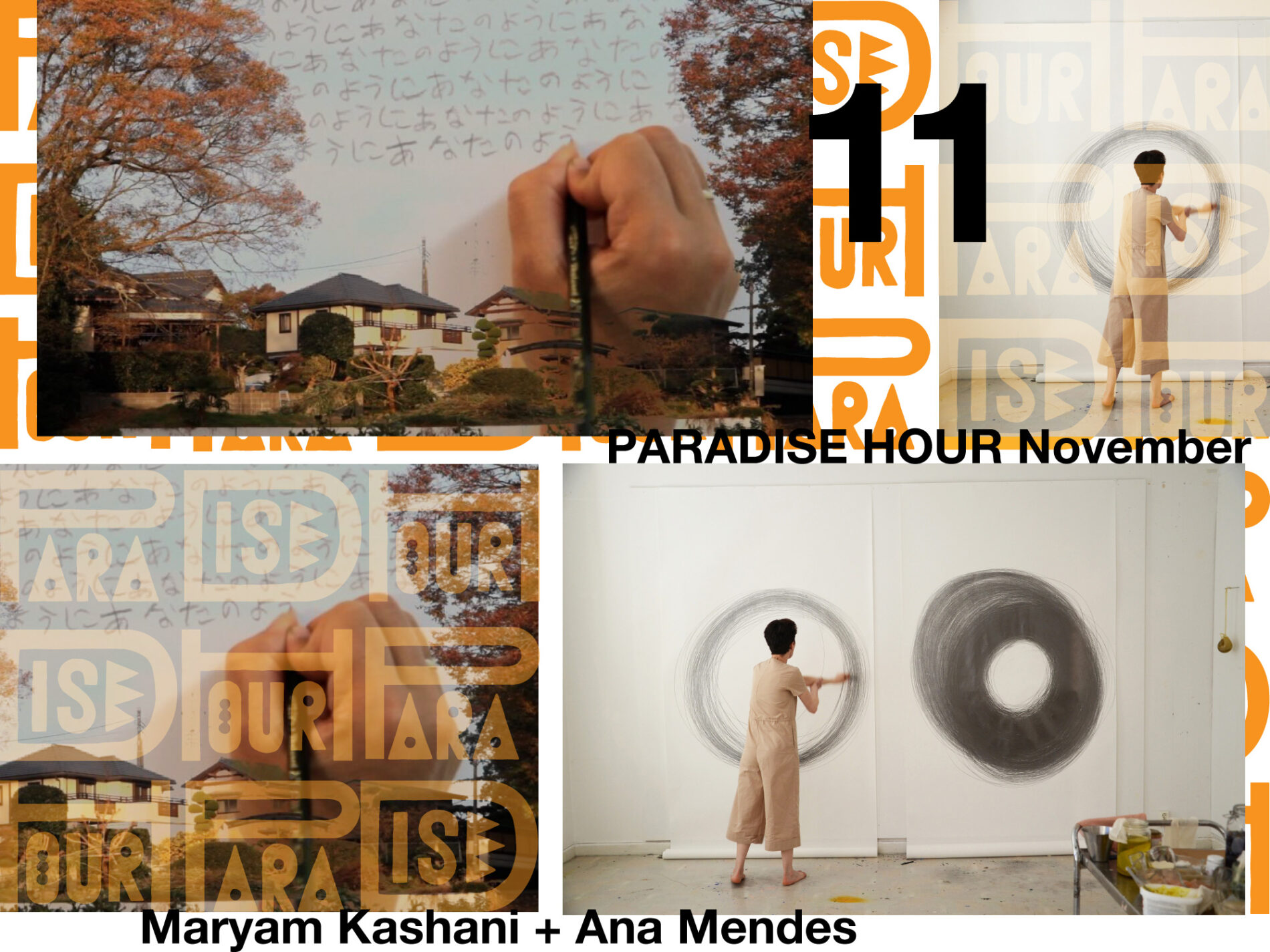
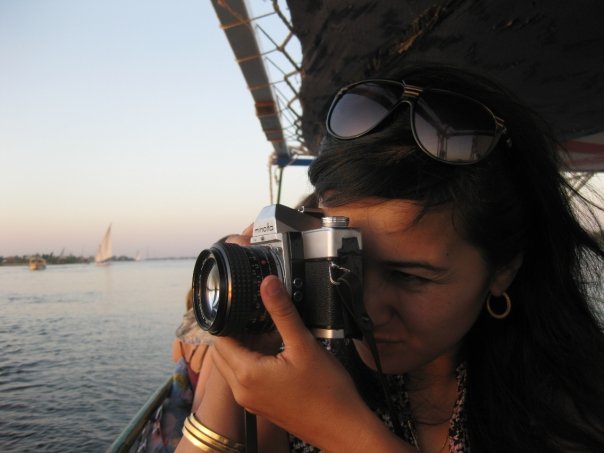
PARADISE AIR held an open studio titled “PARADISE HOUR” featuring Ana Mendes and Maryam Kashani, who participated in the PARADISE AIR Short Stay Program in November 2024.
Ana, inspired by animism and Shintoism, focused on observing people’s behaviors in public transportation during her stay, exploring the relationship between labor and ritual. Meanwhile, Maryam reflected on two forms of mourning: the passing of her poet uncle and the deaths of many people in Gaza, and also examined the concept of “reflection” as expressed through her uncle’s poetry.
The two artists presented their research conducted during their stay in Matsudo in a presentation format, offered diverse perspectives on culture, history, and philosophy, and provided an opportunity for participants to engage with these themes.
Date: Tuesday, November 26th, 2024
Time: 7:00 pm – 8:30 pm
Admission: Free
Venue: PARADISE AIR 5F Lounge
Address: 15-4 Honcho, Matsudo City MAP
Access: 3 minutes walk from the west exit of “Matsudo Station” on the JR and Shin-Keisei Line.
Artist: Ana Mendes, Maryam Kashani
Since 2019, Ana Mendes has worked regularly in East Asia, namely Japan, Taiwan and South Korea, exploring historical narratives between the East and the West and drawing from local philosophy, namely animism, Shintoism and symmetrical thinking.
During her stay in Matsudo, Mendes gave continuity to her research, applied to several of her projects (The People’s Collection, On Drawing) and initiated a new drawing series, exploring the connection between labour and ritual, from direct observation of people in the public transports in Japan.
Maryam Kashani’s maternal uncle Ebisawa Yasuo passed away in Ibaraki in November 2023, the second month of what is now over 400 days of the Israeli Offensive Forces ethnic cleansing of Gaza. Kashani spent her time in Matsudo reflecting upon and participating in rituals of mourning and recognition of one’s ancestors and for the perpetually ungrieved. She considered the relations to and movements between places through nation-states, diaspora, settler colonialism, and solidarity. Kashani’s uncle completed a book of poetry and essays entitled Anata no Youni (longing for my mother, I write poetry about her life), in which the title poem is written as a hanseibun, a written apology to his mother, Kashani’s grandmother. Kashani reflected on her filmmaking as another form of hanseibun, looking back on her stay and creation.
2024.11.27